Landscape Maintenance Guide to Healthier Hedges and Borders

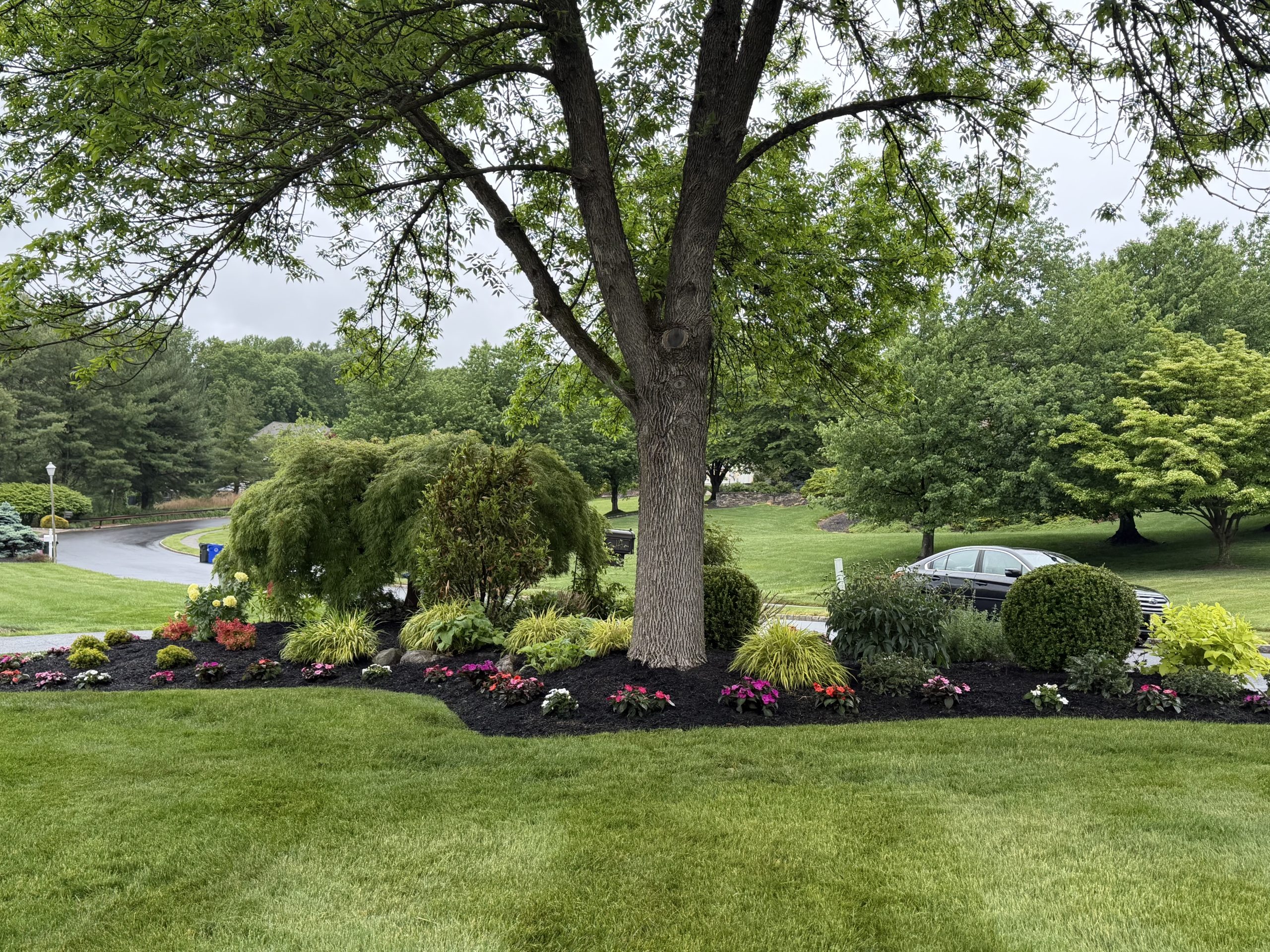

A hedge or mixed border tells on its caretaker faster than almost any other part of a garden. Lawns can be mown into temporary respectability in an afternoon. Patios can be pressure-washed. But a hedge that has been cut at the wrong time, starved in poor soil, or allowed to dry out over several seasons carries the evidence for years. Borders behave the same way. They either build strength over time, or they slowly unravel into thin stems, gaps, weeds, and tired foliage.
That is why good landscape maintenance is less about cosmetic tidying and more about steady, observant care. The healthiest hedges and borders are rarely the product of dramatic interventions. More often, they come from a rhythm of correct pruning, sensible feeding, soil management, irrigation when needed, and the judgment to leave well enough alone when plants are moving in the right direction.
I have seen expensive planting schemes fail because maintenance started too late, and modest gardens look excellent because someone understood timing. A clipped yew hedge on heavy clay needs one kind of attention. A mixed flowering border under a dry fence line needs another. There is no single formula, but there are patterns that hold true across almost every site.
What healthy actually looks like
People often describe a planting area as healthy simply because it is green. That is a low bar. A genuinely healthy hedge has dense growth from near the base upward, an even surface without obvious holes, foliage consistent with the species, and stems that are extending at a moderate, manageable rate. It should not be all top growth with a bare skirt below, which is a classic sign that light is being excluded or that pruning has created a shell of foliage around dead interior wood.
A healthy border has a different kind of balance. You want layers, with plants occupying their intended space without constant rescue work. The soil should crumble rather than smear. Moisture should hold long enough to support roots, but not sit around the crown of plants that resent winter wet. Foliage should carry decent color, with enough vigour to compete against weeds but not so much that every plant is flopping over by June.
One of the best clues is how much correction the space needs. If you are forever tying things in, replacing losses, cutting back mildew, or trying to hide bare patches, that area is not thriving. It may still be attractive, but it is being propped up.
Start with the site before you blame the plant
When a hedge browns off or a border underperforms, the first reaction is often to suspect disease or poor plant stock. Sometimes that is correct, but site conditions are usually the real story. Root space, compaction, drainage, wind exposure, reflected heat from paving, and competition from trees are all stronger influences than many people realize.
Hedges beside driveways are a good example. They often struggle not because they are difficult plants, but because the soil at planting time was rubble-filled and compacted by builders. The upper growth looks fine for a year or two, then extension slows, leaves pale off, and sections begin to thin. By that point the roots have hit hard ground or poor subsoil and the plant is living hand to mouth. You can prune that hedge beautifully and it still will not fill properly until the soil issue is addressed.
Borders near mature trees create a different challenge. The tree roots take moisture and nutrient first, and they do it efficiently. Shade-tolerant perennials may survive there, but if you treat that bed like an open sunny border you will always be disappointed. The maintenance plan has to reflect the real conditions. That may mean adding organic matter yearly, watering deeply in dry spells, and choosing tougher, drier-shade performers instead of demanding herbaceous plants.
The soil sets the ceiling
Every strong hedge and every generous border rests on decent soil structure. Feeding matters, but structure matters more. I would rather work with unglamorous soil that holds air, moisture, and root movement than rich-looking ground that has been compacted into a brick.
Organic matter is one of the most reliable improvements in landscape maintenance because it solves several problems at once. It helps sandy soil hold moisture and nutrient. It opens heavier soils, making them easier for roots to colonize. It encourages biological activity, which supports steadier nutrient cycling. Applied as a mulch, it also reduces weed pressure and buffers surface temperatures.
That said, mulch is not magic. Piling compost or bark against the stems of hedges is a common mistake. It can trap moisture around the base, encourage rot, and give rodents cover in winter. Keep mulch pulled back from trunks and main stems by a few centimetres. In borders, avoid burying crowns that prefer to sit high and dry, such as lavender, penstemon, and some salvias.
Soil pH also shapes performance, though it is often overstated. Most hedging plants and common border perennials will tolerate a fair range. Where it becomes important is with species that are clearly lime-hating or lime-loving. If someone tries to force rhododendrons into alkaline ground or grows lavenders in rich, acidic, wet soil, maintenance turns into an endless argument with the site. It is usually wiser to choose plants that suit the existing conditions.
Pruning, where most long-term damage begins
Poor pruning rarely kills a hedge immediately, which is why bad habits persist. It simply leaves a slower, uglier problem behind. The classic error is cutting a hedge into a vertical wall or, worse, wider at the top than the base. That shape throws the lower growth into shade. After a few seasons, the bottom thins, the upper section bulks out, and the whole thing starts to look hollow.
Most hedges respond best to a slight batter, narrower at the top and broader at the bottom. It can be subtle. The point is to let light reach lower foliage. Yew, beech, hornbeam, privet, and many conifer hedges all benefit from this approach, though their tolerance for renovation differs sharply. Yew will often regenerate from older wood if given time. Leyland cypress usually will not forgive a hard cut into brown, leafless interior growth.
Timing matters as much as technique. Fast-growing formal hedges may need clipping once or twice through the growing season to hold a sharp line. Flowering hedges, on the other hand, need more thought. Clip them at the wrong moment and you remove the next season’s bloom or the berries that birds rely on. A mixed rural hedge is not maintained like a suburban evergreen boundary, and the person holding the trimmer needs to know the difference.
Borders need pruning too, just with a looser hand. The temptation is to cut everything down the moment it finishes flowering. Sometimes that is right, especially if you want a second flush from hardy geraniums, nepeta, or alchemilla. But many perennials and grasses carry structure into autumn and winter, feed wildlife, and protect their own crown from severe weather. A border stripped too early can look neat for a week and empty for four months.
Feeding without pushing soft, weak growth
Plants need nutrients, but more feed is not the same as better health. One of the easiest ways to create pest-prone growth is to overdo nitrogen. You get lush extension, oversized leaves, and tissue that aphids and mildew seem to find by instinct. In hedges, excess feeding can also mean more clipping, because you are effectively paying plants to outgrow their space.
For established hedges, feeding should be based on performance, not routine habit. If growth is steady, leaf color is good, and annual extension is appropriate for the species, mulch may be enough. If growth is weak and soil is poor, a balanced slow-release feed in spring can help, especially with younger hedges still establishing.
Borders are more varied. Hungry, floriferous perennials in light soils often appreciate a spring application of balanced fertiliser and organic mulch. Mediterranean plants generally do not. Rich feeding can make lavenders, rosemary, and similar shrubs coarse and short-lived. Roses are their own category. They are heavy feeders, but even there, nutrition works best alongside mulching, watering, and air movement, not as a substitute for them.
If a border looks pale, do not assume it needs more feed. Yellowing may reflect drought, waterlogging, root competition, or simply the natural aging of lower leaves. I have seen gardeners throw fertiliser at what was really a drainage problem, then wonder why the plants got worse.
Watering, and the difference between wet soil and useful moisture
The phrase “needs watering” hides a lot of bad practice. Frequent light sprinkling encourages shallow roots, especially in hedges and larger shrubs that need to anchor and forage deeply. A proper soak, less often, is usually far more effective. The aim is to wet the root zone, not just darken the surface.
This matters most during the first two or three years after planting. People see top growth and assume a hedge is established, but root systems often lag behind. A young beech or laurel hedge may look respectable above ground while still being highly vulnerable to a dry spring. Once it loses momentum, recovery can take a full season or more.
Borders complicate the issue because they often contain plants with very different water preferences. That is one reason mixed planting can drift out of balance. In a dry summer, the thirstier species dominate if watered generously. In a wet summer, the drought-lovers resent the same conditions. Good maintenance includes editing. If a plant repeatedly needs special treatment to survive where it is, the placement is wrong.
A simple approach works well in most gardens:
- Water deeply and slowly so moisture reaches the full root zone.
- Check the soil below the surface before watering again.
- Prioritise newly planted areas, shallow-rooted plants, and containers first.
- Mulch after the soil has warmed to reduce evaporation.
- Avoid routine evening wetting of foliage where mildew or black spot are common.
That list sounds basic because it is basic, yet neglecting any one of those points is enough to weaken a planting scheme over time.
Weed pressure tells you where the system is slipping
Weeds are not just untidy. They are diagnostic. If a border is always colonised by annual weeds, the soil may be open and fertile but underoccupied by the intended plants. If bindweed or ground elder keeps coming through a hedge line, it usually means maintenance has been reactive rather than strategic. Cutting the tops off invaders while leaving the root system intact only delays the problem.
Dense planting is part of the answer, especially in borders. Healthy plants should shade the ground and reduce open niches. Mulching helps, but it does not replace plant cover. In hedges, a weed-free strip at the base during establishment makes a remarkable difference because it removes competition exactly where young roots need every advantage.
There is also a seasonal element. Weeding little and often in spring saves a great deal of effort later. Once weeds seed into a border, you are no longer maintaining the current season alone, you are stocking the next one with extra work.
Disease and pest problems are often maintenance problems first
Not every issue can be prevented, but many common outbreaks are encouraged by avoidable conditions. Powdery mildew thrives where roots are dry and air circulation is poor. Black spot worsens when rose foliage remains damp for long periods. Scale insects tend to get a better foothold on stressed shrubs. Honey fungus and phytophthora are more serious and more complex, but even there, plant stress and poor drainage often set the stage.
This is where experience matters. A few chewed leaves are not a crisis. A hedge that has lost 20 percent of its foliage after repeated drought stress is. Gardeners sometimes spend too much energy trying to identify every insect and too little time correcting the reasons the plant is struggling.
When I inspect a declining border, I usually look first at three things: the soil around the roots, the spacing between plants, and the maintenance pattern over the past year. Nine times out of ten, the answer is there. Perhaps a shrub has quietly outgrown its place and thrown the rest into shade. Perhaps irrigation from a nearby lawn sprays the same area every evening. Perhaps old stems were never thinned, so fresh growth has no room.
Seasonal work that keeps borders and hedges balanced
The best maintenance calendars are not rigid, but there are seasonal priorities that reliably pay off. Spring is for assessment and setup. You can see winter losses, improve soil with mulch, feed where needed, and make formative cuts on many plants before growth races away. It is also https://felixphqj190.evergrovio.com/posts/how-regular-landscape-maintenance-protects-your-property-value the right time to edge borders cleanly and reset lines that became blurred over winter.
Summer is about control without overreaction. Formal hedges are clipped, watering is managed, and spent flowers are deadheaded where it genuinely improves appearance or encourages repeat bloom. This is also when you notice whether a border composition is working. The gaps, the bullying plants, and the weak performers are easiest to judge when growth is at full stretch.
Autumn is a valuable repair season. Soil is still warm, moisture levels are usually kinder, and new planting often establishes better than in spring. It is also when a border can be edited intelligently. Divisions can be made, overlarge clumps reduced, and woody growth assessed after the rush of summer has passed.
Winter has its own quiet jobs. Structural pruning on suitable deciduous shrubs, checking ties and supports, and removing storm-damaged wood all matter. So does restraint. Walking repeatedly over wet border soil in winter can do more harm than many people realize, especially on clay.
When renovation is better than endless maintenance
Some hedges and borders pass a point where routine care no longer solves the underlying problem. The hedge may be leggy, gappy, and too wide for its space. The border may have become a muddle of exhausted perennials, self-seeders, and shrubs that no longer fit. At that stage, the bravest and cheapest long-term decision is often renovation.
That does not always mean starting again. A yew hedge can often be reduced in stages and rebuilt. An old mixed border may only need one-third of its plants lifted, divided, and replanted into a simpler structure. But hesitation can be costly. I have seen clients spend three or four years paying for fussy maintenance on plantings that would have looked better after one decisive reset.
A useful test is whether each visit is improving the framework or merely disguising decline. If it is disguise, step back and redesign the maintenance objective.
Practical signs that a hedge or border needs intervention soon
There are a few warning signs worth taking seriously before they become expensive. Watch for these:
- Bare lower hedge growth that increases each season.
- Water running off the soil surface instead of soaking in.
- Borders where plants need staking every year just to stand up.
- Repeated losses of the same type of plant in the same spot.
- Weed growth that outpaces the ornamentals by early summer.
None of those problems appears overnight. They are cumulative, which is precisely why disciplined landscape maintenance matters. Small corrections made early are almost always cheaper and kinder to the planting than rescue work later.
The value of judgment over routine
The phrase landscape maintenance sometimes sounds mechanical, as if good results come from turning up on schedule and doing the same set of tasks. In reality, the best maintenance is observant and responsive. Two hedges of the same species on the same street can need different treatment because one sits over free-draining soil and the other is shaded by buildings. Two borders planted from the same nursery order can diverge within a year because one is exposed to wind and the other bakes against a south-facing wall.
That is why gardening experience shows in small decisions. You clip one hedge a little later because a flush is still soft. You leave certain seedheads standing because they carry the border through frost. You cut back a vigorous perennial hard because you know it will return stronger, while leaving a slower plant to gather energy. None of this is dramatic. All of it adds up.
Health in hedges and borders comes from that accumulation of sensible choices. Feed if the plant will use it. Water before stress becomes visible, not after. Prune to improve light and structure, not simply to reduce size. Build the soil every year. Notice when a plant is unsuited to its place and be willing to move on.
Well-maintained landscapes do not just look tidy. They become more stable, more resilient, and easier to care for with each passing season. That is the real goal, not perfection, but durable health.
Majestic Mowing & Landscaping LLC
Phone number: +19733975532
FAQ About Landscape Maintenance
What is landscape maintenance?
Landscape maintenance is the ongoing care, cleaning, and upkeep of outdoor green spaces to keep them healthy, safe, and attractive.
Is $100 an hour too much for landscape work?
An hourly rate of $100 is not too much for specialized or professional landscape work, though it sits at the higher end of the standard pricing spectrum.
How much do landscapers charge for maintenance?
For professional landscaping maintenance, homeowners typically pay $100 to $410 per month for recurring services, or an hourly labor rate of $50 to $100 per hour per crew member.