Landscape Maintenance Practices for Better Soil Health
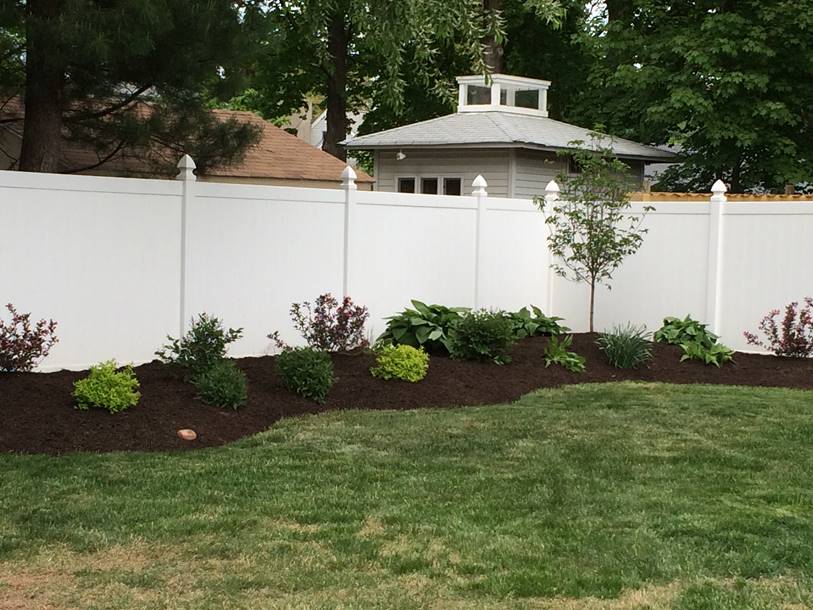
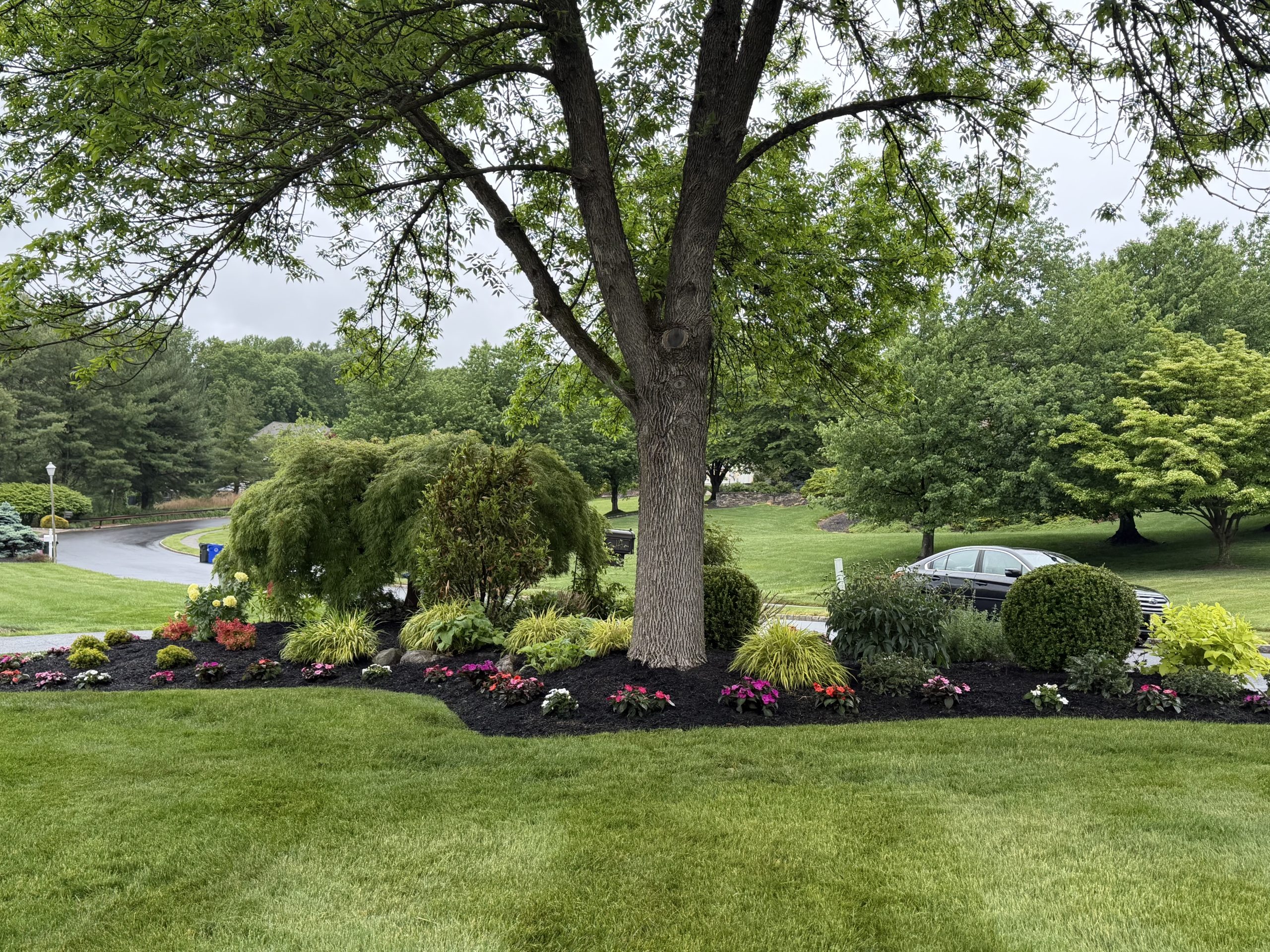

Healthy landscapes start below the surface. Turf, trees, shrubs, perennial beds, and seasonal color all depend on a living soil system that can hold water, exchange nutrients, support roots, and recover from stress. When that system weakens, the visible symptoms show up quickly. Lawns thin out, ornamentals stall, puddles linger after rain, mulch mats into a crust, and pest pressure often rises right behind plant stress.
In professional Landscape Maintenance, it is tempting to focus on what clients see first: mowing lines, weed control, pruning shape, flower color, and seasonal cleanliness. Those details matter, but they sit on top of a deeper reality. Soil health determines how resilient a property will be in summer heat, during heavy rain, through winter freeze and thaw, and over years of foot traffic and repeated maintenance activity.
The most effective crews I have worked with learned this lesson the practical way. Sites that looked average but had open, biologically active soil often outperformed high-input properties where the ground had been compacted, stripped, overwatered, or starved of organic matter. The difference was not always dramatic on day one. By the second or third season, it was obvious.
Soil health is not one thing
People sometimes talk about soil health as if it were a single score. In practice, it is a balance of physical structure, biology, chemistry, and management history. A soil can test adequately for phosphorus and potassium and still perform poorly because its pore space has collapsed. It can drain too fast because organic matter is low. It can stay wet because equipment traffic sealed the surface. It can look dark and rich on top while roots hit a hard layer just a few inches down.
For landscape managers, the most useful way to think about soil health is through function. Can the soil absorb rainfall instead of shedding it? Can roots move through it? Does it support earthworms, fungal activity, and gradual decomposition? Does irrigation soak in evenly? Does mulch break down and feed the profile, or does it just sit there? Functional questions lead to better maintenance decisions than appearance alone.
On established properties, the challenge is that many soil problems are inherited. Construction often removes topsoil, mixes subsoil into planting beds, buries debris, and compacts everything with loaders and trucks. Years later, the maintenance crew gets blamed for weak plant performance that was built into the site from the start. That does not mean the situation is hopeless. It means the work has to be honest. Good Landscape Maintenance can steadily rebuild soil function, but it rarely happens through one miracle product or a single annual treatment.
Compaction is the quiet problem on most sites
If I had to pick one issue that undermines more landscapes than nutrient deficiency, it would be compaction. It is common in lawns near sidewalks, around mailboxes, beneath swings, at dog run areas, and in commercial landscapes where crews repeatedly travel the same path. It is just as common in shrub beds where installers walked the same soil when it was wet and then capped it with thick mulch.
Compaction reduces the air spaces roots and soil organisms need. Water infiltration slows, and shallow runoff increases. During rain, compacted soil may look saturated, but roots below can still suffer because oxygen exchange is poor. In drought, the same soil turns hard and sheds irrigation. That cycle frustrates both clients and crews, because it encourages more water use while delivering weaker results.
The corrective response depends on the setting. In turf, core aeration is one of the most reliable tools available, especially on cool-season lawns or on warm-season turf entering active growth. Pulling actual cores matters. Spike aeration often creates little lasting benefit and can worsen sidewall compression in some soils. One pass is rarely enough on heavily trafficked ground. A compacted school lawn or apartment common area may need seasonal aeration for several cycles before infiltration noticeably improves.
In planting beds, the solution is more delicate. Deep cultivation around established roots can do more harm than good. Here, surface practices matter more: avoiding foot traffic when soils are wet, using organic mulch at appropriate depth, topdressing with compost where suitable, and improving water management so the soil is neither repeatedly flooded nor allowed to bake bare. Sometimes the best action is operational discipline. Redirect crew routes, move hose drag paths, or place stepping stones where access is unavoidable. Preventing the next round of damage is often more valuable than aggressively trying to fix the last round.
Mulch can heal soil, or suffocate it
Mulch is one of the most misused tools in Landscape Maintenance. Applied well, it moderates temperature swings, reduces evaporation, buffers erosion, and gradually contributes organic matter. Applied poorly, it seals the surface, repels water, encourages shallow roots, and creates stem and trunk issues that are expensive to correct later.
The most common mistake is excess depth. Many beds do well with roughly 2 to 3 inches of coarse organic mulch, adjusted for material type and site conditions. Finer materials can mat down sooner and may need a lighter hand. Piling mulch 5 or 6 inches deep, especially against trunks or crowns, creates a damp, low-oxygen zone where bark decay and root problems begin quietly. It also discourages water from penetrating evenly. I have pulled back beautiful, freshly installed mulch and found bone-dry soil beneath it because the top layer had crusted and shed irrigation.
A second mistake is treating mulch as a permanent cosmetic layer instead of a cycling material. Wood-based mulches decompose. That is not failure, it is part of their value. When crews keep topping old layers without checking actual depth, beds slowly rise, roots become buried, and the interface between mulch and mineral soil grows less healthy. Good practice means inspecting before reapplying, not just refreshing color.
There is also a judgment call on material choice. Shredded bark holds in place well on slopes but can knit into a dense layer if overapplied. Arborist wood chips are often excellent around trees and in broader naturalized areas because they vary in particle size and support fungal activity, but they may not suit every formal bed aesthetically. Dyed mulch can look neat but offers no biological advantage over undyed organic material, and on some properties the visual effect wears off long before the maintenance cycle ends.
Organic matter does more work than fertilizer alone
A surprising number of landscape soils are hungry for carbon more than for high-analysis fertilizer. Organic matter improves aggregation, water retention, cation exchange capacity, and microbial habitat. In sandy soils, it helps retain moisture and nutrients. In heavier soils, it can improve tilth and make the profile more workable over time. The gains are usually gradual, but they are durable.
Compost is one of the most practical ways to rebuild depleted soil, yet it still needs discretion. Not every bed should be rototilled annually, and not every compost product is equal. Mature, stable compost used as a modest topdress can be effective in lawns and planting areas. A light application followed by aeration in turf can help move organic material into the root zone. In beds, a thin layer beneath refreshed mulch often contributes more than people expect over a few seasons.
The temptation is to overdo it. Rich amendments placed only in a planting hole can create a container effect in the ground, where roots circle within the amended pocket instead of moving outward. On clay sites especially, heavily amended holes can hold water differently than surrounding soil. Broad improvement across the root zone, even if slower, usually leads to better establishment than creating one isolated pocket of "good soil."
Leaf litter deserves mention here too. On many properties, every fallen leaf is treated as waste. That makes sense on formal entry walks and fine turf, but not everywhere. Chopped leaves returned to beds or mulched into appropriate lawn areas can contribute significant organic matter at very low cost. Some of the healthiest soils I see are not the most immaculate, they are the ones allowed to recycle a reasonable amount of plant residue.
Irrigation habits shape soil biology
Watering practices influence soil health as much as any amendment. Frequent, shallow irrigation encourages shallow rooting and can keep the upper soil constantly damp while deeper layers remain dry. That pattern favors stress-sensitive plants and can invite disease pressure in turf and ornamental beds. Deep, measured watering at intervals that reflect soil type and weather generally produces stronger rooting and better resilience.
This is not a rigid rule. New plantings often need closer monitoring because root balls dry differently than surrounding soil. Containers, raised planters, and sandy berms may need more frequent cycles than mature in-ground shrubs on loam. The key is to water based on actual need rather than timer habit. A site that receives fifteen minutes every morning all summer often develops predictable problems: thin turf in compacted areas, algae or moss in shaded pockets, and ornamentals that never quite push roots beyond the original planting zone.
Poor distribution is another hidden issue. Head-to-head coverage that looked acceptable when the landscape was young may no longer perform once shrubs mature and tree canopies intercept spray. Dry spots and swampy spots can exist within a few feet of each other. Soil health declines in both places for different reasons. Routine irrigation audits, even informal ones, pay off. Watching a zone run for ten minutes tells a trained observer more than a stack of assumptions.
Mowing is a soil practice, whether crews think of it that way or not
Turf maintenance often gets separated from soil management, but the two are tightly linked. Scalping weakens photosynthesis, reduces root mass, and exposes the soil surface to heat. Repeatedly cutting too low can slowly turn a functional lawn into a high-input surface that depends on irrigation and fertilizer to survive ordinary weather.
A better mowing program follows growth rate and species, not just a fixed weekly schedule. Taller leaf blades generally support deeper roots and better shading of the soil surface. That means less evaporation, more stable temperatures, and fewer opportunities for weeds to exploit open, stressed turf. Sharpened blades matter too. Clean cuts heal faster and create less stress than torn tissue, especially during hot or dry periods.
Clipping management is often misunderstood. In most routine conditions, returning clippings to the lawn is beneficial. It recycles nutrients and adds small amounts of organic material without causing thatch by itself. Excessively long, wet clumps are another story, especially when mowing has been delayed, but that is a scheduling issue more than an argument against mulching clippings. On healthy sites, clipping return is one of the simplest soil-supportive practices available.
Fertility should match the site, not a sales calendar
Soil health suffers when fertilization is either ignored or applied by habit without diagnosis. Both happen regularly. Some properties receive generic feedings on a fixed annual program whether they need them or not. Others get nothing for years except emergency applications after visible decline.
A sound fertility plan starts with context. What is growing there, what is the soil texture, how much organic matter is present, how intensively is the site managed, and what has the recent weather been like? Soil testing can be useful, especially when symptoms are persistent or when a property has a history of poor performance. Tissue testing can help in specialty situations. Even without laboratory data, experienced crews can make better decisions by observing growth patterns, color, internode length, and rooting depth instead of reacting to every pale patch with nitrogen.
Nitrogen gets the attention, but balanced fertility matters more than green-up alone. Excess nitrogen can push lush top growth that demands more mowing and remains vulnerable to drought, disease, and winter injury. Slow, steady growth usually serves both plants and soil better than repeated surges. Where feasible, combining modest fertility with organic matter management tends to build more resilient landscapes than relying on quick-release inputs alone.
Soil biology needs protection, not just stimulation
The living component of soil is easy to talk about and easy to oversell. Microbes, fungi, and soil fauna drive decomposition and nutrient cycling, but they are not managed best by hype. They respond to habitat. Give them oxygen, moderate moisture, organic inputs, and reduced disturbance, and most soils will begin to recover biological function.
This matters particularly around trees and shrubs. In older root zones, repeated cultivation is usually a mistake. The better approach is to create conditions where the soil food web can stabilize. A ring of mulch kept off the trunk, reduced competition from turf, occasional compost topdressing, and careful irrigation often produce noticeable gains over two or three seasons. The change may not look dramatic at first, but tree vigor, leaf size, and drought tolerance often improve.
Products marketed as biological enhancers can have a place, but they should not distract from the basics. I have seen crews apply expensive inoculants onto compacted, dry, low-organic soil and expect transformation. The biology did not fail them. The habitat did. Until the physical environment supports life, biological inputs alone rarely justify the cost.
Equipment choices leave a footprint
Some of the best soil work on a property is undone by the way crews move through it. Repeated zero-turn mower turns on damp turf, skid steer access through root zones, and utility carts crossing the same lawn edge week after week all add up. The soil does not care whether the compaction came from construction or maintenance. It only responds to pressure.
Wet-weather discipline is one of the clearest markers of a professional crew. When soil is near saturation, even a routine task can leave lasting damage. Ruts in turf are obvious, but the subtler damage in bed edges and around trees may not show until months later. Good supervisors adjust routing, delay nonessential work, or shift tasks when conditions are poor. Clients do not always love a postponed operation, but they understand it when the reason is explained in practical terms.
There is also room for simple design fixes. Gravel access strips for service routes, widened gate openings, and designated mower turn areas can reduce chronic soil damage in high-maintenance properties. Those adjustments are not glamorous, yet they often pay back quickly in reduced repair work and stronger plant performance.
Matching plants to the soil saves years of correction
Not every soil problem should be solved through maintenance alone. Sometimes the honest answer is that the plant palette conflicts with the site. A moisture-loving shrub installed on a fast-draining berm will need constant support. A species that demands sharp drainage will struggle in a low, compacted bed no matter how much mulch and fertilizer are applied. Forcing the mismatch usually leads to more inputs and poorer soil function.
Experienced landscape managers learn to read these patterns. If one species repeatedly fails while another nearby thrives with minimal attention, the site is teaching something. It may be pH, drainage, reflected heat, winter salt, or root competition from mature trees. Adjusting plant selection is often the most soil-friendly choice available because it reduces the need for corrective intervention.
This point is especially important in renovations. Before amending, fertilizing, or replacing on a broad scale, ask whether the failing plants belong there at all. Better matching of plant to site can reduce irrigation demand, chemical dependency, and compaction from repeated maintenance visits.
Seasonal timing makes the difference between help and harm
The same maintenance practice can be beneficial or damaging depending on timing. Aerating cool-season turf in active growth is productive. Aerating during peak summer stress can set it back. Mulching beds in spring after soil has begun to warm is often useful. Smothering cold, wet soils too early can slow recovery. Pruning roots inadvertently during late-season bed renovations can reduce winter hardiness in some species.
Seasonal judgment separates thoughtful Landscape Maintenance from rote service. In northern climates, freeze and thaw cycles can heave shallow-rooted plants in bare or poorly mulched soils. In hotter regions, summer surface temperatures can become severe enough to impair microbial activity near exposed soil. The practice may be the same, but the local timing determines whether it supports soil health or works against it.
One simple field habit helps more than any calendar: dig and look. A spade tells the truth. Smell the soil. Check moisture a few inches down. Look for roots, pore space, earthworms, and layering. If water sits in the hole for hours, adjust expectations. If the profile is powder-dry under a thick mulch cap, irrigation or infiltration needs attention. Crews https://eduardozjbr077.bearsfanteamshop.com/landscape-maintenance-for-outdoor-spaces-that-stand-out that observe soil directly make fewer expensive mistakes.
A practical field check for struggling areas
When a section of landscape consistently underperforms, a brief diagnostic routine can prevent guesswork. The goal is not to turn every crew leader into a soil scientist. It is to build the habit of checking the likely drivers before reaching for the same treatment again.
- Probe the soil for compaction and compare a healthy area with a weak one.
- Pull back mulch and check actual depth, moisture, and root flare visibility.
- Observe irrigation coverage and infiltration, not just controller settings.
- Look for traffic patterns, mower turns, or service routes that concentrate pressure.
- Review plant fit, recent weather, and any changes in grade or drainage.
These checks sound basic because they are basic. They also solve a surprising number of recurring problems. Many struggling beds are not suffering from mysterious disease or rare deficiency. They are suffering from shallow mulch volcanoes, chronic wet feet, or compacted service access that nobody noticed because the symptoms built slowly.
What improvement looks like over time
Soil health recovery is usually incremental. Clients often expect a before-and-after transformation in a few weeks, but landscapes do not work that way. Better infiltration after aeration and compost topdressing may show in the next rain. More uniform turf density may take a season. Improved tree vigor may take two or three. Bed soils with years of compaction and overmulching can recover, but only if maintenance practices stop recreating the original damage.
The encouraging part is that gains tend to stack. A lawn that infiltrates water better needs less rescue irrigation. Beds with proper mulch depth and more organic activity lose less moisture and moderate temperature better. Plants rooted into healthier soil are less dependent on constant feeding and emergency treatment. Crews spend less time chasing symptoms and more time maintaining appearance.
That is the real value of soil-focused Landscape Maintenance. It does not replace aesthetics, it supports them. Crisp edging, clean pruning, and well-kept turf hold up longer when the ground underneath is functioning properly. On properties managed over many years, that difference becomes visible in both plant quality and operating cost.
The discipline behind healthier landscapes
Better soil health is rarely the result of one dramatic intervention. It comes from repeated, disciplined choices: not driving on wet lawns, not burying root flares under fresh mulch every spring, not irrigating by habit, not forcing plants to live where they do not belong, and not confusing green top growth with overall health.
Professionals who manage landscapes well over time develop a certain patience. They know when to act and when to stop disturbing the site. They understand that every maintenance task touches the soil, even if indirectly. And they learn that the most dependable improvements often come from ordinary practices done correctly, season after season.
That perspective changes how a property is maintained. The soil stops being an afterthought and becomes the operating foundation of the entire landscape. Once that shift happens, better plant performance follows naturally.
Majestic Mowing & Landscaping LLC
Phone number: +19733975532
FAQ About Landscape Maintenance
What is landscape maintenance?
Landscape maintenance is the ongoing care, cleaning, and upkeep of outdoor green spaces to keep them healthy, safe, and attractive.
Is $100 an hour too much for landscape work?
An hourly rate of $100 is not too much for specialized or professional landscape work, though it sits at the higher end of the standard pricing spectrum.
How much do landscapers charge for maintenance?
For professional landscaping maintenance, homeowners typically pay $100 to $410 per month for recurring services, or an hourly labor rate of $50 to $100 per hour per crew member.