Landscape Maintenance Steps to Create a More Polished Property
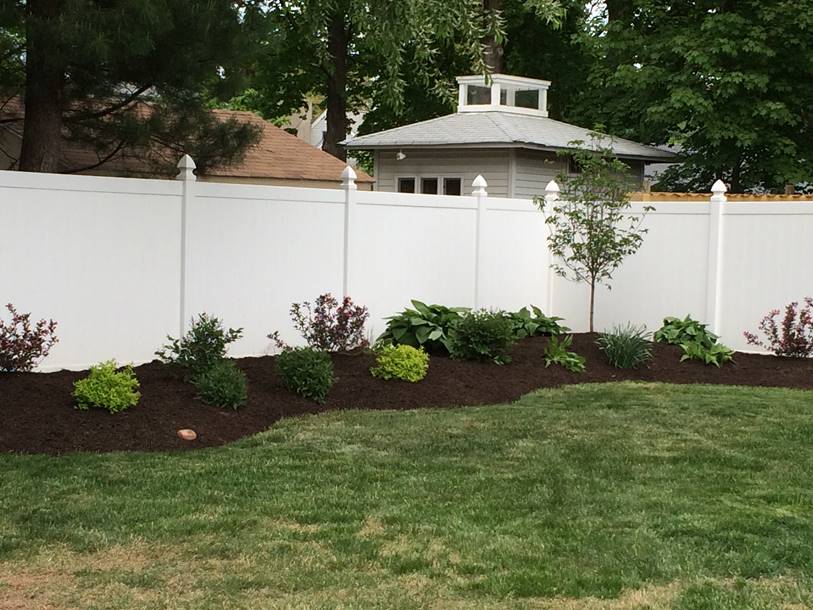

A polished property rarely happens by accident. It is usually the result of steady, thoughtful landscape maintenance, the kind that deals with appearance, plant health, drainage, safety, and timing all at once. People often notice the obvious features first, fresh mulch, trimmed hedges, clean bed lines, but what they are really responding to is order. A landscape looks finished when every part seems intentional.
That matters whether you manage a home, an office complex, a retail frontage, or a multi-family property. First impressions form quickly. A front walk bordered by overgrown shrubs makes a place feel neglected before anyone reaches the door. Turf with scalp marks, weeds in cracks, and patchy irrigation tell the same story. On the other hand, even a modest property can look high-end when the lawn is even, the edges are crisp, plants are proportionate to the space, and seasonal upkeep happens before problems become visible.
After years of watching landscapes age, recover, fail, and improve, one pattern stands out. The properties that always look sharp are not necessarily the ones with the biggest budgets. They are the ones maintained with discipline. The work is rarely glamorous, but the results are easy to see.
Start with a realistic walk-through
Before making changes, walk the property slowly and at eye level, the way a visitor would experience it. Then walk it again with a maintenance mindset. These are not the same pass.
The first walk should focus on visual distractions. Look for leaning plants, faded annuals, exposed roots, thinning turf, broken edging, stained hardscapes, and any area where one part of the yard looks unrelated to the rest. If the front bed is sharply maintained but the side yard is full of weeds, the neglected area pulls down the whole impression. A polished property needs consistency, not perfection in one corner.
The second walk should focus on function. Check where water pools after irrigation or rain. Look for signs of compacted soil, mowers cutting too low on slopes, branches scraping structures, and plants growing into sightlines or walkways. One commercial client I worked with kept replacing annual color near an entrance because the bed looked tired every six weeks. The real issue turned out to be heat reflected from a west-facing wall and poor irrigation coverage. The flowers were not the problem. The site conditions were.
Good landscape maintenance starts with seeing the property honestly. If you skip that step, you spend money on cosmetic fixes while the root issues remain.
Define the visual standard before you chase tasks
One reason maintenance plans drift is that no one has clearly defined what “polished” means for that specific property. On a traditional residential lot, polished may mean full foundation plantings, dark mulch, and tightly clipped edges. On a naturalistic property, it may mean looser planting design with very deliberate paths, clean transitions, and selective pruning that preserves shape without making everything rigid.
That distinction matters. I have seen crews shear shrubs into perfect boxes on properties that were designed to feel soft and layered. The plants were technically maintained, but the landscape looked worse because the maintenance style ignored the design intent.
Set a standard for turf height, bed edge depth, shrub form, pruning frequency, mulch color, seasonal color rotation, and hardscape cleanliness. Once those expectations are established, maintenance becomes repeatable. Without them, every visit turns into guesswork.
A property feels refined when there is rhythm across the site. Repeated plant forms, matched pruning styles, evenly maintained bed lines, and consistent weed control create that rhythm. It is a subtle thing, but it is what separates a maintained yard from one that looks truly finished.
Clean bed edges do more than most people realize
If there is one maintenance detail that instantly sharpens a property, it is the bed edge. Fresh edge lines create contrast between turf and planting areas, making the entire landscape look cleaner even before anything else is touched.
This is one of those tasks that gets overlooked because it is not glamorous and does not involve new materials. Yet clean edges frame every planted area. They define shape, make mulch look newer, reduce grass creep, and improve the read of the entire layout from the street.
The best edges are not random trenches hacked in whenever time allows. They follow the original bed shape with consistency in depth and curve. On formal properties, that usually means crisper geometry. On more relaxed sites, the curves can be softer, but they still need to be intentional. Wavy, uneven, or broken edges make the property feel sloppy no matter how healthy the plants are.
A seasonal refresh is usually enough for many residential properties, with touch-ups as needed during the growing season. Faster-growing turf in warm, wet months may demand more frequent detailing. Commercial sites with high visibility often need a stricter schedule because the edge line fades quickly under heavy maintenance traffic.
Lawn quality sets the tone for everything around it
Turf is often the largest visual surface on a property, so flaws show from a distance. Even beautiful planting beds struggle to carry the landscape if the lawn is thin, scalped, or full of broadleaf weeds.
Landscape maintenance for turf should begin with mowing correctly, which sounds basic until you see how many properties are damaged by rushed mowing. Cutting too low weakens grass, exposes soil, and creates a harsh, pale look. Letting turf get too tall between cuts causes clumping and uneven color. Sharp mower blades matter more than many people think. Dull blades tear grass tips, leaving a grayish cast that can make a healthy lawn look stressed within a day or two.
Watering also needs more judgment than people expect. Frequent shallow watering encourages weak roots and can create disease pressure, particularly in shaded areas with limited airflow. Deep, less frequent irrigation is usually healthier, but soil type, sun exposure, and turf species all affect the right schedule. A compact clay site behaves very differently from a sandy one.
Fertilization should support steady growth, not force it. Overfed lawns often surge, then become harder to manage, more disease-prone, and more dependent on irrigation. A balanced program built around the region and season is far better than a blanket heavy application approach.
Weed pressure tells you something about maintenance timing. If weeds dominate in open turf, the lawn may be thin from poor mowing height, compacted soil, insect damage, or irrigation inconsistency. Treating weeds without addressing why the grass lost density in the first place rarely solves the problem for long.
Shrub and hedge care should preserve scale, not just control growth
Pruning is where many landscapes lose their elegance. Overgrown shrubs look careless, but over-pruned shrubs look harsh and exhausted. A polished property depends on restraint.
The best-maintained shrubs keep their natural character while staying in scale with windows, paths, signage, and neighboring plants. That means understanding whether a plant should be selectively thinned, lightly shaped, or formally clipped. Not every shrub wants the same treatment. Repeated shearing can create dense outer growth and dead interior wood, especially on broadleaf evergreens. The plant stays green on the outside, but airflow declines and rejuvenation becomes harder.
Scale is just as important as shape. Foundation plants that cover windows, crowd entries, or push into walkways make the whole property feel smaller and darker. This problem usually develops gradually, which is why it is so often ignored. Homeowners adapt to the growth. Visitors notice it immediately.
I once visited a property where the owners felt their home had lost curb appeal over the years. They assumed they needed a redesign. In reality, the structure was solid and the planting plan was good. The issue was scale creep. Hollies had doubled in size, ornamental grasses had collapsed into the walk, and two small trees had grown low canopies that visually buried the front elevation. One day of smart pruning and removal transformed the place more than any new installation could have.
Trees shape the property more than any other element
Trees are long-term assets, but only when maintained with foresight. Neglected trees can make a property look heavy, obscure architecture, drop debris into beds and turf, and create safety issues over drives and walkways.
Canopy lifting is one of the simplest ways to improve polish. When lower limbs are selectively raised to suit the space, lawns get more light, sightlines open up, and the property feels larger. There is judgment involved, of course. Raise the canopy too aggressively and the tree can look stripped or unstable. Done correctly, the tree appears more graceful and intentional.
Deadwood removal is another maintenance task that affects both appearance and safety. Broken, hanging, or visibly dead limbs signal neglect. They also become liabilities during storms. On mature properties, periodic arborist review is worth the cost. The objective is not constant cutting. It is strategic attention before decline or risk becomes obvious.
Mulch around tree bases also deserves mention. Volcano mulching, where mulch is piled against the trunk, remains surprisingly common and is both unattractive and harmful. A cleaner approach is a broad, even ring kept away from direct trunk contact. It looks better and supports root health.
Mulch, groundcovers, and soil surfaces need discipline
Mulch is often treated as a finish layer, something to freshen the look in spring and forget afterward. In practice, it is part of the maintenance system. It suppresses weeds, moderates soil temperature, holds moisture, and creates visual cohesion across beds. But only when applied correctly.
Too little mulch looks patchy and fails to suppress weeds. Too much mulch buries crowns, holds excess moisture, and gives beds an overbuilt, artificial appearance. For most decorative applications, a moderate layer is plenty. The goal is coverage and consistency, not depth for its own sake.
Color matters too. If one bed is freshly mulched and another has faded material two shades lighter, the mismatch reads as neglect. The same problem appears when one area uses bark nuggets, another shredded hardwood, and a third stone, without any clear design reason. Polished properties usually limit surface materials so the eye reads continuity rather than clutter.
Groundcovers can be excellent low-maintenance solutions, but only when kept within bounds. Vigorous spreaders that creep into lawns, over edging, or across paths stop looking intentional fast. Maintenance here means periodic reset, thinning, and boundary control, not just letting plants fill space unchecked.
Irrigation often determines whether the landscape looks expensive or tired
Many people think of irrigation as a utility issue, https://blogfreely.net/cwearsafma/landscape-maintenance-services-for-apartments-and-multi-unit-properties but it is just as much a visual one. Uneven coverage creates the patchiness that makes a landscape look underfunded even when money is being spent. One side of a lawn stays green, the other browns out. Shrubs near the building thrive while perimeter beds struggle. Annual displays peak briefly and then fade.
A polished property needs irrigation that matches plant needs and site conditions. Head alignment, spray overlap, run times, and seasonal adjustments all matter. So does drainage. Too much water can be as damaging as too little, especially in low spots or dense soils.
Some of the most obvious signs of poor maintenance are actually signs of poor irrigation management. Mushy turf, algae on pavement edges, erosion channels in mulch, and plants with lush top growth but weak root systems all point to water issues. If these problems persist, more mowing or more pruning will not fix them.
For most properties, irrigation should be checked at the beginning of the growing season, adjusted during temperature swings, and reviewed any time plant material changes. Installing sun-loving annuals in a zone set for low-water shrubs is asking for trouble. Good landscape maintenance is coordinated, not siloed.
Keep hardscapes as clean as the planting beds
Polish is not only about plants. Walkways, curbs, retaining walls, patios, and entry areas carry equal visual weight. Weeds growing through paver joints, soil washed across sidewalks, and algae stains on shaded stone will age a property fast.
Pressure washing can help, but it should be used carefully. Too much force can scar wood, strip joint sand, or etch softer surfaces. Sometimes the right answer is lower pressure, a surface-specific cleaner, and a little patience. On heavily trafficked properties, routine sweeping and debris removal make a larger difference than occasional aggressive cleaning.
Edging where hardscape meets turf deserves regular attention. Grass creeping over pavement softens lines in the wrong way. It makes paths look narrower and older. The same goes for self-seeded weeds in cracks. A few isolated weeds may seem minor up close, but from the street they read as poor control.
Lighting also affects how finished a property feels, particularly around entries. Dirty fixture lenses, tilted path lights, and overgrown plants blocking illumination create a dim, neglected look. Nighttime curb appeal is often won or lost on maintenance details that are nearly invisible during the day.
Seasonal timing is what separates stable landscapes from reactive ones
A property looks polished when maintenance happens slightly ahead of need, not after decline becomes visible. Timing is the difference between care and catch-up.
Spring is typically the season for cleanup, edging, mulch refresh, irrigation startup, pruning of appropriate species, and lawn repair. But spring should not become a rushed attempt to solve a year’s worth of neglect. Summer is when mowing discipline, weed control, irrigation adjustment, deadheading, and pest monitoring matter most. Fall is prime time for structural pruning on many plants, leaf management, bed cleanup, and turf strengthening. Winter, depending on climate, can be the season for tree work, hardscape repairs, and planning.
The properties that hold their appearance through the year usually follow a predictable cycle:
- Inspect and reset after winter damage
- Maintain growth during peak season before overgrowth appears
- Correct scale, drainage, and turf weaknesses in fall
- Use dormant months for structural work and planning
That cycle sounds straightforward, but the real value is consistency. A missed pruning window can distort plant shape for months. Skipped weed prevention can multiply labor later. Delayed leaf removal can smother turf and stain surfaces. Timing saves money because it prevents rework.
Small repairs have an outsized effect on perception
There is a category of maintenance work that does not take much time but strongly affects how a property is judged. Broken sprinkler heads, leaning mailbox posts, chipped bed edging, loose pavers, torn landscape fabric exposed in beds, and rusting metal borders all distract the eye.
When these details accumulate, even healthy plantings look neglected. People rarely name each defect individually. They simply read the space as poorly cared for. This is why punch-list thinking matters. During routine service, note the small failures and address them before they stack up.
For managers of larger properties, this is where site photos help. The camera notices what familiarity filters out. A weekly or monthly visual record makes it easier to spot drift, whether that means a declining shrub line, worsening bed erosion, or a sign area that keeps collecting debris.
Know when to simplify instead of maintain complexity
Not every polished property is densely planted. Sometimes the smartest landscape maintenance decision is reducing complexity. If a bed repeatedly fails because it sits under deep shade, replacing seasonal color with a durable groundcover may improve the look and reduce cost. If narrow turf strips always burn out beside pavement, converting them to planted areas may create a stronger visual edge and eliminate a constant weak point.
This is not about lowering standards. It is about designing maintenance success into the property. Landscapes become more polished when high-effort features are reserved for areas with visibility and the right growing conditions. Trying to force formal lawn quality into every difficult corner usually wastes labor and still looks inconsistent.
I have seen this play out on properties with too many isolated planting pockets. Each tiny bed required hand watering, precision trimming, and constant weeding, but none contributed much to the overall composition. Consolidating them into fewer, larger beds made the site look cleaner and actually easier to maintain at a high level.
A practical maintenance lens for every visit
When crews or owners approach the property, they need a repeatable way to evaluate it. Not a giant checklist, just a disciplined visual sequence that keeps standards from slipping.
Ask a few simple questions. Are the lines clean? Are the plants in scale? Does the turf look even in height and color? Is water helping or hurting? Do hard surfaces support the impression of care or undermine it? Those questions quickly reveal where attention is needed.
The strongest properties are not always the most planted or the most expensive. They are the ones where each element supports the others. The lawn frames the beds. The beds relate to the architecture. Trees provide structure without swallowing the site. Irrigation supports health without creating mess. Hardscapes stay sharp enough to anchor the softer materials around them.
Polish comes from that integration. Landscape maintenance is simply the ongoing practice of protecting it. When done well, it keeps a property from looking merely occupied and helps it look considered, steady, and complete.
Majestic Mowing & Landscaping LLC
Phone number: +19733975532
FAQ About Landscape Maintenance
What is landscape maintenance?
Landscape maintenance is the ongoing care, cleaning, and upkeep of outdoor green spaces to keep them healthy, safe, and attractive.
Is $100 an hour too much for landscape work?
An hourly rate of $100 is not too much for specialized or professional landscape work, though it sits at the higher end of the standard pricing spectrum.
How much do landscapers charge for maintenance?
For professional landscaping maintenance, homeowners typically pay $100 to $410 per month for recurring services, or an hourly labor rate of $50 to $100 per hour per crew member.